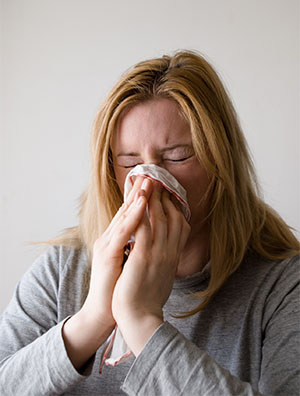
 Do you suffer from allergies or asthma? It’s a little-known fact that these two conditions are directly linked to each other. Asthma, which affects roughly one in 12 people according to the CDC, is characterized by spasms of the small airways and inflammation. Furthermore, about 90% of children under the age of 16 with asthma have allergies, while 70% of people between the ages of 16 and 30 have allergies, and 50% of adults over the age of 40 have allergies. continue reading
Alternative Treatment Options For Allergies and Asthma
Posted in Herbal Medicine, Traditional Chinese Medicine
Tagged acupuncture, allergies, asthma, herbs
Comments Off on Alternative Treatment Options For Allergies and Asthma
Alternative Treatment for IBS
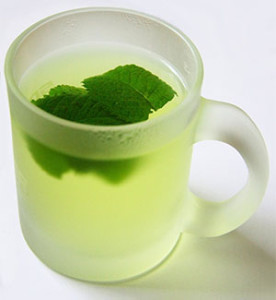 Irritable Bowel Syndrome (IBS) is a common disease suffered by an estimated 25-45 million people in the United States. Symptoms include chronic abdominal pain, bloating, excess gas and irregular bowel movements. Symptoms can be brought on by a number of triggers including anxiety, insomnia and stress. Although there is no known cure to IBS, there are numerous alternative treatments to prescription medication that can help relieve symptoms. continue reading
Posted in Acupuncture, Herbs, Wellness
Tagged IBS, Irritable Bowel Syndrome
Comments Off on Alternative Treatment for IBS
Alternative Treatments for Fertility
 About 10 percent of couples struggle with infertility and an inability to conceive, according to the Centers for Disease Control. For those struggling to have children, fertility treatment can become tiring and expensive very quickly. There are numerous alternative treatments including Traditional Chinese Medicine (TCM) that have been thought to improve fertility. continue reading
Posted in Acupuncture
Tagged fertility, herbs, yoga
Comments Off on Alternative Treatments for Fertility
The 7 Secrets You Never Knew About Acupuncture
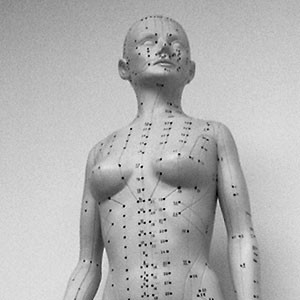 There’s a certain level of mysticism surrounding the ancient holistic practice of acupuncture. Those who haven’t tried it may view it as some sham practice with no real value or benefit. On the other hand, those who have tried are fully aware of its powerful effects on the human body.
#1) There Are Hundreds of Acupuncture Points Throughout The Body
Acupuncture is typically performed on specific points throughout the body, including points both along the meridian and outside the meridian. The number of acupuncture points continues to change on a regular basis, but the latest estimate is around 695 (not including ear treatments). continue reading
Posted in Acupuncture
Tagged allergies, fertility, pain
Comments Off on The 7 Secrets You Never Knew About Acupuncture
5 Powerful Health Effects Of Olive Oil
Posted in Diet, Wellness
Tagged blood pressure, heart disease, olive oil, stress
Comments Off on 5 Powerful Health Effects Of Olive Oil
Ways To Ring In The Chinese New Year
 Cleaning
Part of celebrating the Chinese New Year (February 19) involves cleaning. Traditionally, homes are cleaned before the New Year, but sweeping and dusting isn’t done until the third day after New Year out of fear that good fortune will be swept away. The floors can be swept, starting by brushing the dust and dirt towards the middle of the house or building. Once the debris is piled into the center, it’s moved to the corners where it remains until the fifth day, at which point it can be thrown out. continue reading
Posted in Acupuncture, Wellness
Tagged Chinese, lunar, new year
Comments Off on Ways To Ring In The Chinese New Year
2015: Year of The Goat
 2015 is the Year of The Goat in Chinese astrology. Ranking eighth in the long list of animals tied to the Chinese zodiac, people who are born under this sign are said to be calm, mild-mannered, good-hearted, sympathetic, dependable and intelligent. They also prefer to avoid being the center of attention – a trait that’s rare among other Chinese zodiacs. Of course, this is just the tip of the iceberg when it comes to the characteristics of the Year of The Goat. continue reading
Acupuncture Erases Pain: Here’s How It Works
 The thought of treating pain by sticking yourself with dozens of tiny needles might sound like a misnomer. After all, wouldn’t this make the problem worse by creating more pain? The holistic practice of acupuncture is a safe and effective solution for relieving pain. Whether it’s chronic or temporary pain, acupuncture has proven effective time and time again at relieving pain. continue reading
Can Acupuncture Really Help You Lose Weight?
 Obesity remains a top concern among health professionals in the U.S. According to a study published in the Journal of American Medicine (JAMA), more than one third of adults in the U.S. are clinically obese (source). People who fall under this category are more likely to develop heart disease, diabetes, and even certain types of cancer.
While there’s no substitution for exercise and a well-balanced diet, the ancient Chinese practice of acupuncture may promote weight loss in adults battling obesity. Numerous studies have reinforced the belief that acupuncture can aid in weight loss. So instead of embarking on a potentially dangerous “fad” diet, such as an all-liquid lemon detox diet, consider acupuncture treatment to assist in your weight loss efforts. continue reading
Posted in Acupuncture, Diet
Tagged exercise, weight loss
Comments Off on Can Acupuncture Really Help You Lose Weight?
Juicing vs Blending: The Great Health Debate
 Adults who need 2,000 daily calories to maintain a healthy weight should eat 2 cups of fruit and 2½ cups of vegetables per day (a total of nine servings). According to the Centers For Disease Control and Prevention (CDC), however, only 14% of adults consume the recommended daily amount of fruits and vegetables (source). That’s a shockingly low number that should serve as a wake-up call to people everywhere.
If you struggle to achieve to consume the recommended amount of vegetables and fruit, you should consider investing in a blender or juicer. Juicing and blending are both excellent ways to include more fruits and vegetables into your daily diet. Now for the million dollar question: which method is better for your health. continue reading